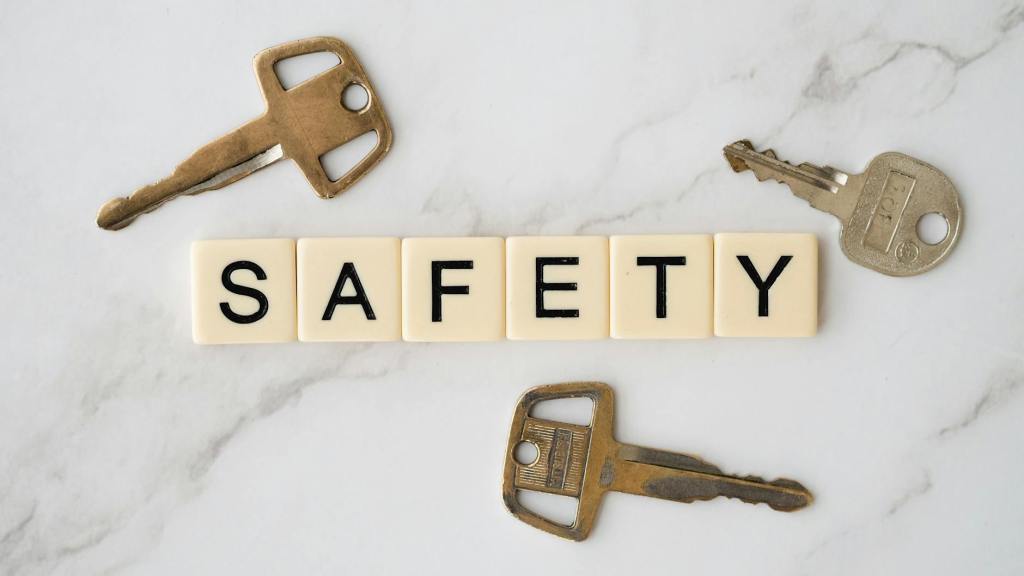
It is a profound mistake, a dangerous, naive delusion, to assume that safety is something that can be granted to you, like a certificate or a piece of colored cloth tied around your waist. It’s an absurd view of the world.
If you walk into a dojo and they promise you “safety,” you should turn around and walk out, because they are lying to you. They are selling you a comfortable lie to soothe your existential anxiety, and that is a moral failing.
The Pathology of the Promise
Why is this lie so seductive? It’s because the world is a chaotic, unpredictable place. It’s “red in tooth and claw,” as the poets say. People are desperate for a hedge against that chaos. They want to believe that if they just follow the rules, if they memorize the kata and pay their dues, they can transcend the vulnerability of being human.
But you cannot outsource your security to an institution. That’s a fundamental error. Life is not a Disney movie; there are no fairy godmothers. There is only the cold, hard reality of the “Other” and the potential for malevolence that exists both outside of you and, more importantly, within you.
Training as an Encounter with Chaos
If safety is a myth, then what is the point?
Why bother with the discipline of martial arts at all?
It’s not to become safe. It’s to become formidable.
There is a massive difference between being “harmless” and being “virtuous.” If you are incapable of violence, you aren’t peaceful; you’re just weak. But if you have the capacity for mayhem and you keep it “in the sheath,” if you integrate your shadow, then you have some character.
Training gives you the tools to negotiate with chaos. It gives you:
Discernment: The ability to see the dragon while it’s still small, before it grows large enough to devour you.
Competence: The physiological hardening required to stand your ground when the world tilts on its axis.
Voluntary Confrontation: The willingness to face a controlled version of hell in the gym so that you don’t crumble when the real thing finds you.
The Ethic of Responsibility
A responsible instructor doesn’t offer you a sanctuary. They offer you a burden. They say, “I cannot make the world less dangerous, but I can make you more capable of carrying the weight of that danger.”
That is the Honest Promise. It’s the realization that you must take aim at the highest possible good, which is the development of your own character and competence, and accept that risk is the price of entry for a meaningful life.
The Takeaway
Safety isn’t a destination you arrive at. It’s not a static state. It’s a dynamic, ongoing process of staying awake. It requires humility, the recognition that you are never truly “untouchable,” and the courage to continue the pursuit of mastery anyway.
You don’t want to be safe. You want to be dangerous but disciplined. You want to be the person who can navigate the storm, not the person who pretends the clouds aren’t there.
That is what it means to be a man or a woman of substance. And that is more than enough.
 Wallace Smedley